
| 일 | 월 | 화 | 수 | 목 | 금 | 토 |
|---|---|---|---|---|---|---|
| 1 | ||||||
| 2 | 3 | 4 | 5 | 6 | 7 | 8 |
| 9 | 10 | 11 | 12 | 13 | 14 | 15 |
| 16 | 17 | 18 | 19 | 20 | 21 | 22 |
| 23 | 24 | 25 | 26 | 27 | 28 | 29 |
| 30 | 31 |
- opentelemetry
- xdp
- MLflow
- eBPF
- CI/CD
- operator
- opensearch
- kubernetes operator
- blue/green
- seldon core
- nginx ingress
- Model Serving
- tekton
- Argo
- argocd
- 오퍼레이터
- serving
- mlops
- CANARY
- knative
- Kubernetes
- gitops
- Kubernetes 인증
- 카오스 엔지니어링
- Kubeflow
- keda
- Pulumi
- Kopf
- Litmus
- Continuous Deployment
- Today
- Total
Kubernetes 이야기
Kubeflow - Notebook 본문

Kubeflow 대시보드에서 Nodebooks 을 선택해보자.
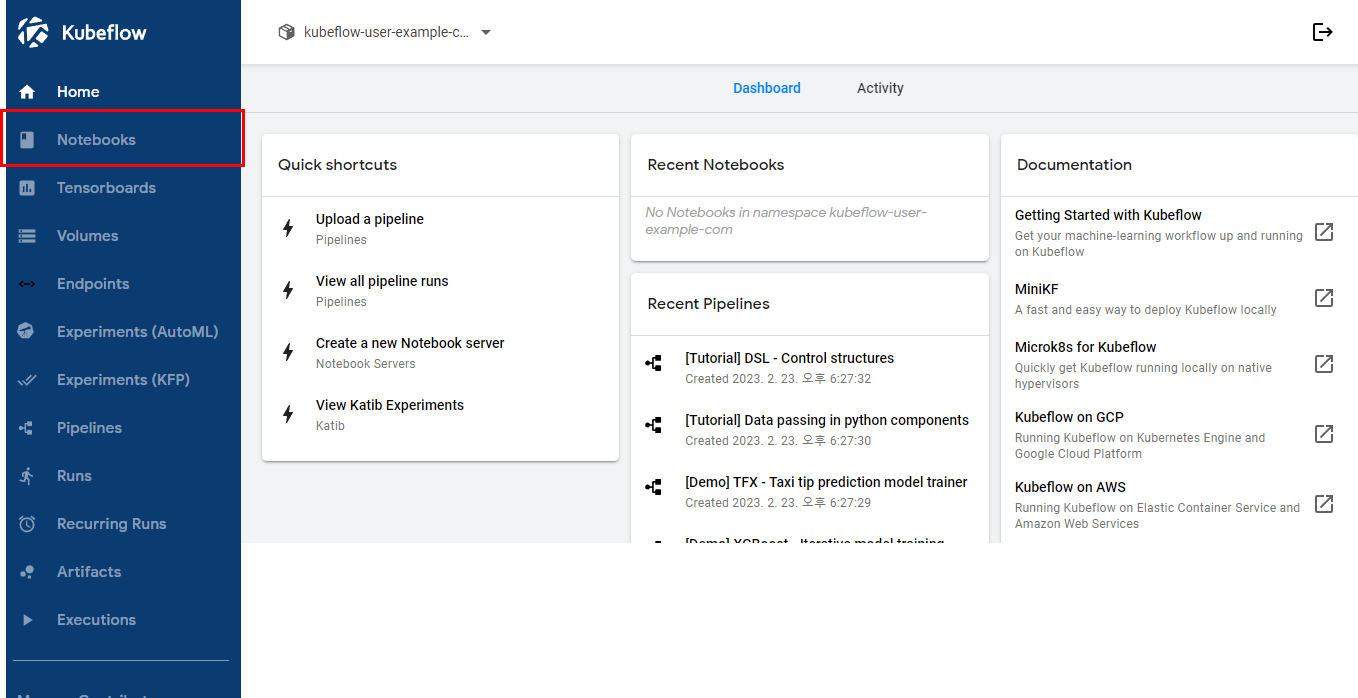

Notebooks 탭은 유저별로 jupyter notebook을 독립적으로 생성하고 접속할 수 있는 페이지이다.

JupyterLab 또는 VSCode, RStudio 중 원하는 개발방법을 선택한다.
생성 시 아래의 에러 로그가 보이는 경우가 있다.
Could not find CSRF cookie XSRF-TOKEN in the request.
원인은, https 가 아닌 http 를 통해 Kubeflow UI에 액세스하므로 Jupyter Web App 서비스에서 환경 변수를 APP_SECURE_COOKIES로 설정해야 한다.
이를 해결하려면,
# k edit deployments.apps -n kubeflow jupyter-web-app-deployment
apiVersion: apps/v1
kind: Deployment
metadata:
...
        env:
        - name: APP_SECURE_COOKIES
          value: "false"  <--- false로 변경한다.
생성 버튼을 클릭하면 다음과 같이 notebook 이 생성된다.
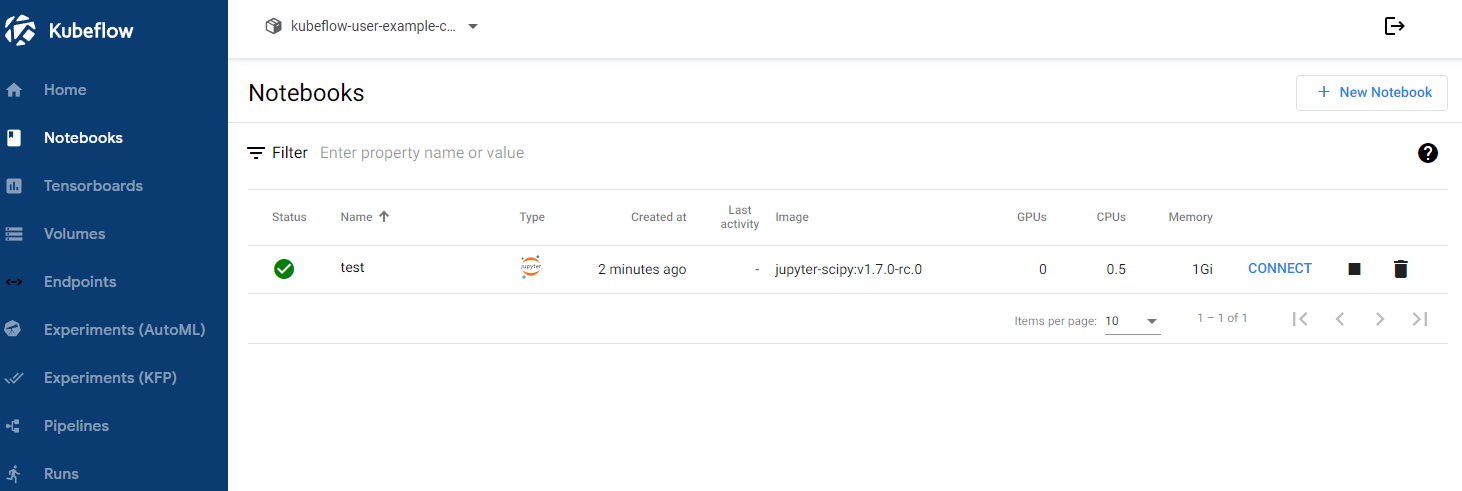
이제 [CONNECT] 버튼을 클릭하여 Notebook에 접근하여 보자.
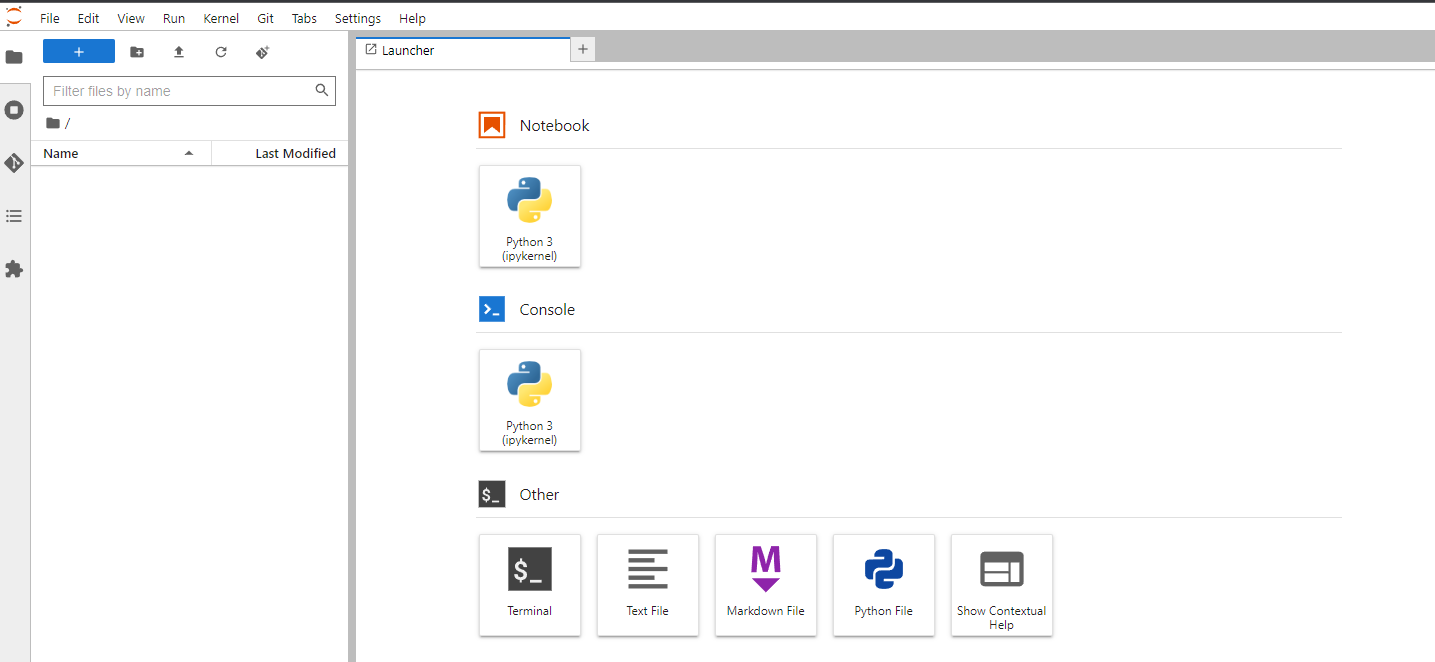
[예제]
https://github.com/kubeflow/examples/blob/master/mnist/
위의 예제를 notebook에서 https://github.com/kubeflow/examples.git 을 clone 해 보자.

먼저 notebook setup을 실행하면 pip install -r requirement.txt 가 자동 실행될 것이다.
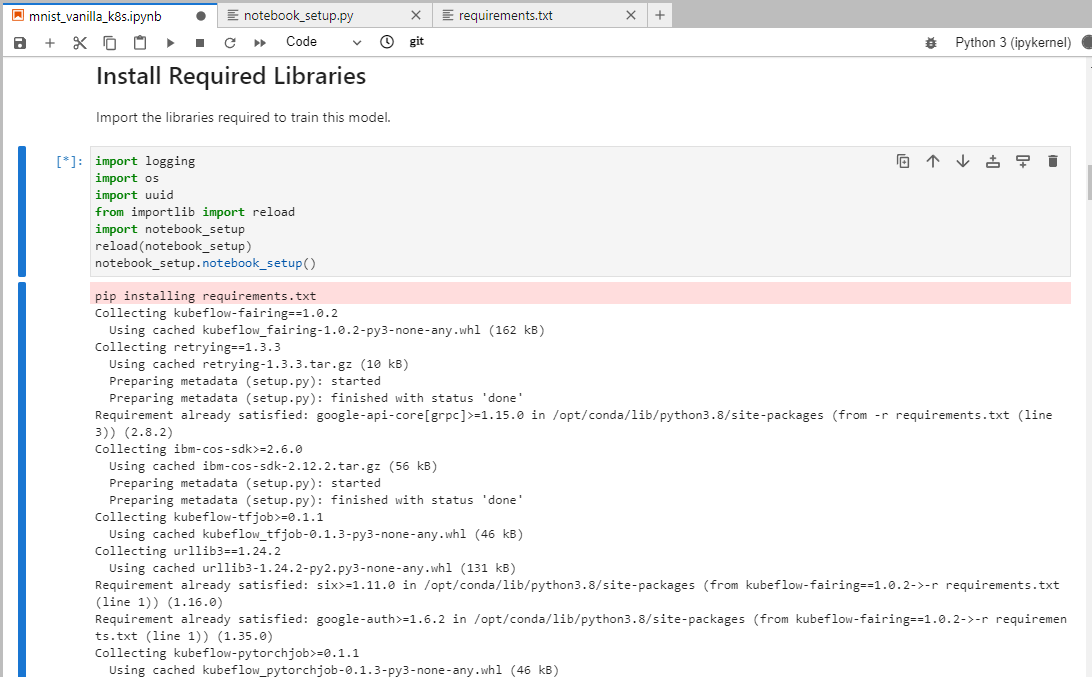
이 외에 예제들은 다음을 참고하여 테스트 할 수 있다.
https://www.tensorflow.org/tutorials/keras/classification?hl=ko
기본 분류: 의류 이미지 분류 | TensorFlow Core
기본 분류: 의류 이미지 분류 컬렉션을 사용해 정리하기 내 환경설정을 기준으로 콘텐츠를 저장하고 분류하세요. 이 튜토리얼에서는 운동화나 셔츠 같은 옷 이미지를 분류하는 신경망 모델을
www.tensorflow.org
참고
https://gnovack.medium.com/automating-kubeflow-deployment-with-helm-and-aws-cdk-dd4c343ee2b5
'Kubernetes > MLOps' 카테고리의 다른 글
| Kubeflow - Pipeline (0) | 2023.03.26 |
|---|---|
| MLFlow vs Kubeflow (1) | 2023.03.06 |
| MLOps (0) | 2023.03.06 |
| Model Serving (0) | 2023.02.24 |
| Kubeflow를 사용한 MLOps (0) | 2023.02.23 |


